

If I called you nice and terrific, would you take it as a compliment or an insult?
Today those are words of praise, but that hasn’t always been true. Did you know that nice originated from the Latin nescius meaning “ignorant” or “foolish”? Or that terrific once meant something that caused terror, from the Latin terrere meaning “to frighten”?
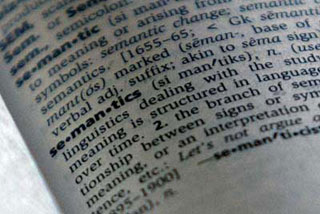
Those are examples of semantic change, where a word’s meaning shifts over time. Sometimes, it echoes the early sense; other times, it has taken on a very different connotation or even the opposite definition of the original.
Our vocabulary is flexible. Think of it as semantic gymnastics. Here’s a dozen more examples of linguistic stretches and backflips.
1. Stereotype
- Old meaning: A printing plate that duplicated typography, making the same impression over and over.
- Current meaning: An oversimplified belief about a group, i.e. an image that people hold without change.
2. Slogan
- Old meaning: From the Gaelic sluagh-ghairm, meaning a battle or rallying cry.
- Current meaning: A catchy phrase used in marketing or politics.
3. Egregious
- Old meaning: The Latin egregius meant “outstanding” or “excellent”.
- Current meaning: Remarkably bad.
4. Bully
- Old meaning: In Middle English, it was a term of endearment, like sweetheart, and also came to mean a fine fellow or someone jolly or admirable.
- Current meaning: Someone who harasses or intimidates.
5. Awful
- Old meaning: Worthy of respect or inspiring awe.
- Current meaning: Horrid or unpleasant.
6. Demagogue
- Old meaning: From the Greek demagogos, “a leader of the people”.
- Current meaning: A political leader who manipulates public emotions for personal gain.
7. Fantastic
- Old meaning: “Existing only in imagination”, from the Latin phantasticus.
- Current meaning: Though fantasy and fantastical still refer to something that doesn’t seem true or reasonable, fantastic simply means wonderful or excellent.
8. Tremendous
- Old meaning: The Latin tremere meant “to tremble”, so tremendous was something fearsome.
- Current meaning: Anything that’s huge, impressive or extraordinary.
9. Undertaker
- Old meaning: Anyone who engages in any activity, i.e. undertakes it.
- Current meaning: A mortician or funeral director. The term mortician itself came to be because undertaker had a negative association with death.
10. Companion
- Old meaning: Someone you shared a meal with, from the Latin com (with) and panis (bread).
- Current meaning: Anyone you keep company with, whether person or animal.
11. Villain
- Old meaning: The Latin villanus meant “farmhand”, lending us villa as in country house, and village as in farmstead.
- Current meaning: Eventually, vilain or vilein described a low class of people under the feudal system, or a commoner who lacked manners, and from there it was an easy leap to a scoundrel or a wicked person: a villain.
12. Sarcasm
- Old meaning: The literal meaning was “to tear flesh”, from the Greek sarkazein, and could be used to describe biting your lip in rage or sneering.
- Current meaning: Cutting, ironic or mocking humour.
So if you ever hear a world leader described as an awful demagogue or a bully, perhaps it’s a high honour. It could mean a jolly fellow who inspires awe with his leadership. Well, only if you’re being sarcastic.
Stuart Foxman is a Toronto-based freelance writer, who helps clients’ products, services, ideas and organizations to come alive. Connect with me here on LinkedIn, or check me out at foxmancommunications.com where I share these blogs too. More original posts coming regularly about communications, information, motivation, writing, branding, creativity, media, marketing, persuasion, messages, learning, etc.
Oct. 8, 2025