

Posts
Explore my posts (248 and counting) on how ideas travel and how we interpret information. Here, I like to write about communications and culture, language and learning, motivation and messaging, branding and creativity, media and marketing, audiences and attention – and everything in between.
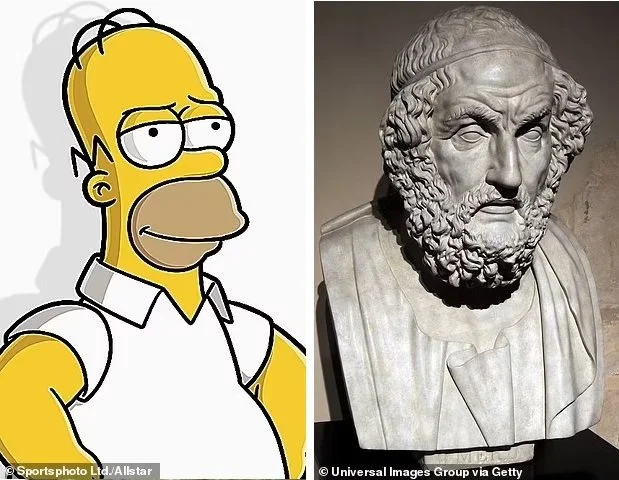
How these 10 brand names rewrote the dictionary
Poor Homer. Sure, the ancient poet is back in the spotlight, thanks to Christopher Nolan’s film The Odyssey. But let’s face it – when you hear “Homer”, odds are you think of the doughnut-loving dad from The Simpsons, not Greek literature. The culture of the day can...

What we lose when reading becomes a niche habit
How many books did you read last year? If it’s just one, congratulations – you’re in elite company. You see, reading has become niche. In its August issue, The Atlantic published a cover story by Rose Horowitch called “The End of Reading is Here”, laying out alarming...

Why we need more friction and less fiction
In the Toy Story franchise, the cast of inanimate-yet-animate characters form a loyal friend group. They’re more like family, banding together to overcome a series of obstacles. With Toy Story 5 now in theatres, it’s worth noting that Pixar’s success hasn’t just come...

In praise of our lunar lexicon
When I took my first trip to Washington, D.C., one highlight was visiting the National Air and Space Museum. What struck me most was seeing two vessels in close proximity: the 1903 Wright Flyer, the first successful powered airplane; and the Apollo 11 command module,...

Meet the fools in our vocabulary
April Fools’ Day is a time when trickery gets permission. Our language is full of words and idioms that relate to mischief and playfulness, which are so familiar that we might not consider their origin. Here are some back stories – no fooling. 1. Prank This comes from...

Art imitates life…and AI imitates art
What happens to the conversation between artist and audience when one side stops being human? I wondered about that after seeing three news items last week: a novel that may have been machine-written, a dead actor resurrected by AI, and songs written and heard by...

Why democracy can’t grow in news deserts
A community can deal with bad news. But it can struggle to survive no news. As media outlets shrink or disappear, we’re losing key guardrails that keep societies healthy. Nine years ago, The Washington Post unveiled a slogan highlighting the need to have a free press...
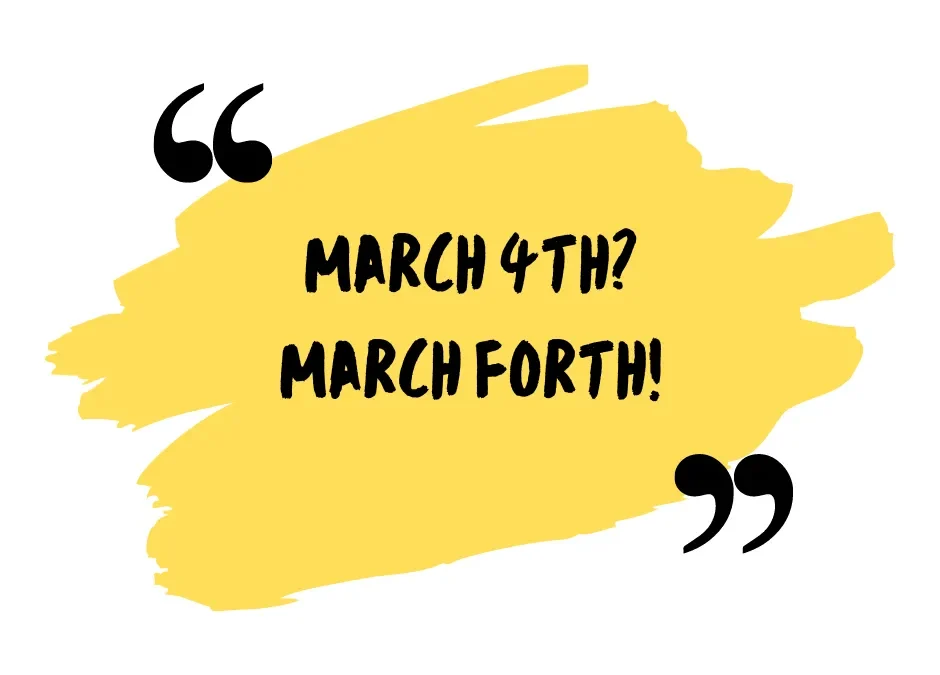
For linguists, it’s time to march forth
When the organizers of National Grammar Day in the U.S. decided to set it on March 4th, they did so because of a linguistic oddity. The date happens to come across as a command: march forth. It’s the only date on the calendar that, when said aloud, also acts as a full...

An Olympian reminds us that when emotions run hot, communications can go cold
Valentine’s Day is coming and love is in the air – but maybe not for one Olympic medal-winning Norwegian biathlete. His admission in an interview, and the fallout, offers a few pointed lessons in communications. Here’s the lowdown. At the Milano Cortina Olympics,...
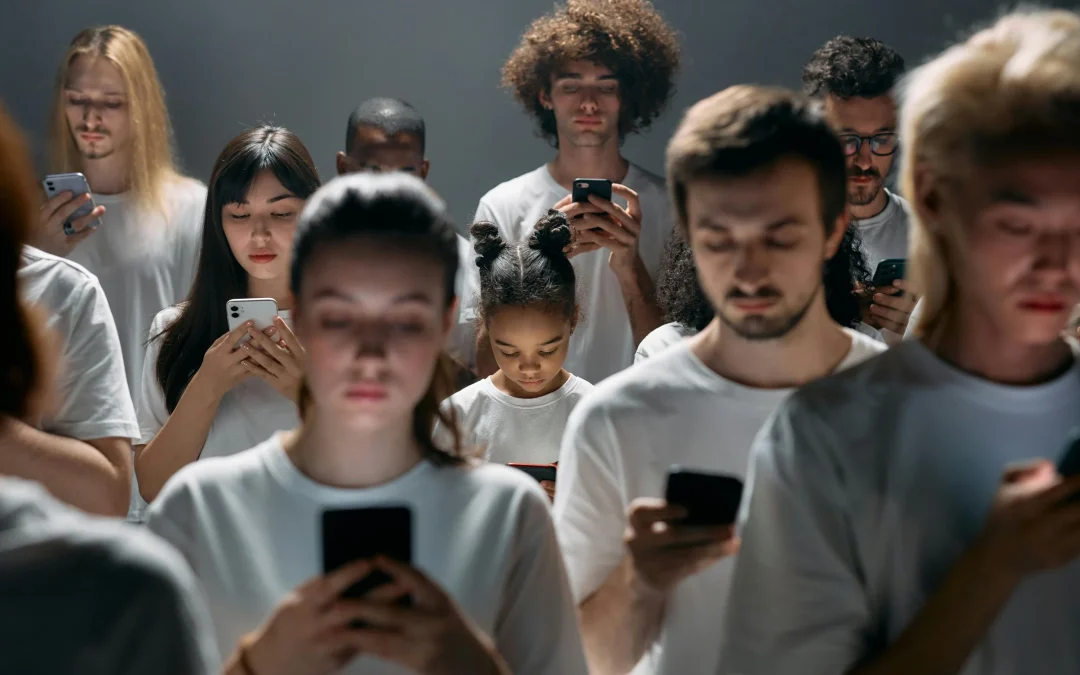
Facebook’s blueprint wasn’t connection – it was about comparing and conditioning us
Facebook officially launched 22 years ago, on Feb. 4, 2004. But its roots go back just a bit farther. Those origins were a warning, foreshadowing today’s communications breakdown. A few months before starting Facebook, Mark Zuckerberg created a site called Facemash,...